NSi SLS FOKUS Government

NSi Ministers: From Alliance to Government

Delivering Stability for Slovenia — Competence Over Experimentation

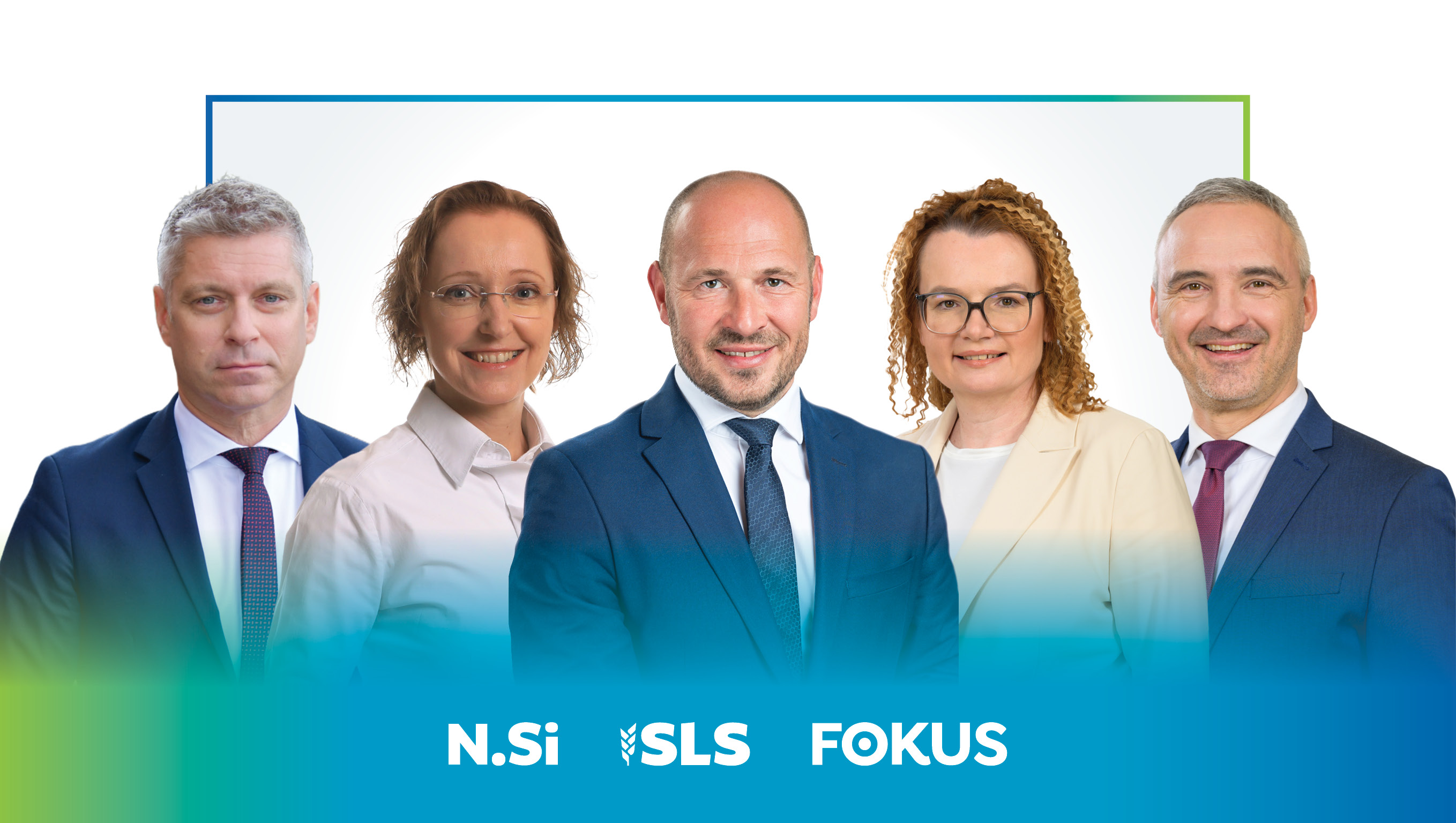
Four NSi ministers, one from FOKUS — all from the NSi + SLS + FOKUS coalition quota, led by NSi.

Meet the NSi ministers serving in the new Slovenian government. With experience across infrastructure, agriculture, defence, social policy and regional development, they bring a clear focus on delivery, stability and practical solutions.

This page presents the ministers, their professional backgrounds and the key priorities they outlined during their hearings before the parliamentary committees.

A Centre-Right Alliance Built on Cooperation

Ahead of the 2026 parliamentary elections, NSi, SLS and FOKUS joined forces in response to a deeply divided Slovenian political climate and a growing demand for cooperation, stability and credible leadership. The process was led by NSi President Jernej Vrtovec, who brought the three parties together around a shared vision of a development-oriented, centre-right alternative focused on stability, progress and practical solutions.

The joint list before elections in March 2026 was built on the idea that Slovenia needs less division and more cooperation. It promoted reasonable taxation, accessible healthcare, stronger security, housing opportunities and long-term development, presenting itself as a responsible political alternative without experimentation.

That cooperation continued after the elections. The alliance proved successful, becoming the third strongest political force in the country. The partnership remained active through a joint parliamentary group bringing together 7 NSi MPs, 1 SLS MP and 1 FOKUS MP, extending the pre-election alliance into parliamentary work and coordination on the centre right.

Governing Coalition Priorities for the 2026–2030 Term

Following the elections, NSi, SLS and FOKUS joined a broader governing coalition together with SDS led by Janez Janša and the Democrats led by Anže Logar. The coalition agreement for 2026–2030 frames a common agenda around development, debureaucratisation, decentralisation, higher prosperity and a stronger rule-based state. Its priorities include stable public finances, stronger productivity, support for entrepreneurship and innovation, more efficient public administration, upgraded infrastructure, energy security, patient-centred healthcare, demographic renewal, social dignity, food security, defence modernisation and stronger regional development. NSi has presented the agreement as strongly aligned with its own political priorities.

Ministers from the NSi + SLS + FOKUS Coalition

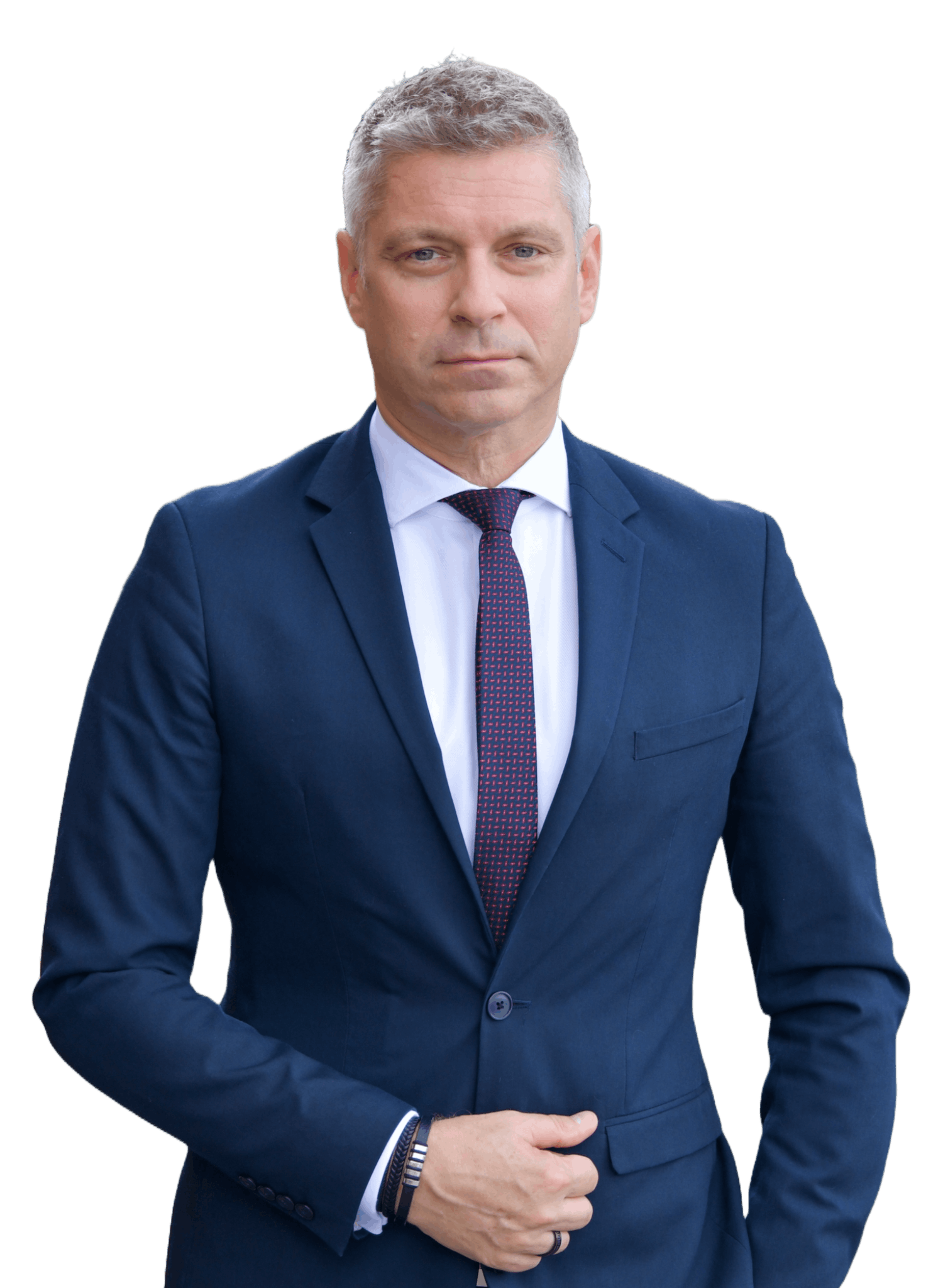
Jernej Vrtovec
Jernej Vrtovec
NSi

Jernej Vrtovec

Deputy Prime Minister • Minister of Infrastructure and Energy

Jernej Vrtovec is the President of New Slovenia (NSi) and has been active in the party since 2003. He began his political journey in the party’s youth wing, first serving as Secretary-General of Mlada Slovenija and later as its President. Since first being elected to the National Assembly in 2014, he has established himself as one of NSi’s leading political figures. He served as Minister of Infrastructure from 2020 to 2022, before going on to lead the party as NSi President. He graduated from the Faculty of Theology in Ljubljana.

Key Priorities
  • Reorganising the ministry and reviewing the financial and project status across the portfolio.
  • Accelerating infrastructure delivery, including more night-time construction works to reduce congestion.
  • Giving greater weight to delivery time, not only price, in major infrastructure projects.
  • Increasing transparency in motorway infrastructure management.
  • Modernising railway infrastructure and speeding up strategic national projects.
  • Advancing JEK 2 as a key project for Slovenia’s long-term energy security.
  • Promoting a realistic energy mix based on nuclear, hydro, geothermal and other reliable renewable sources.
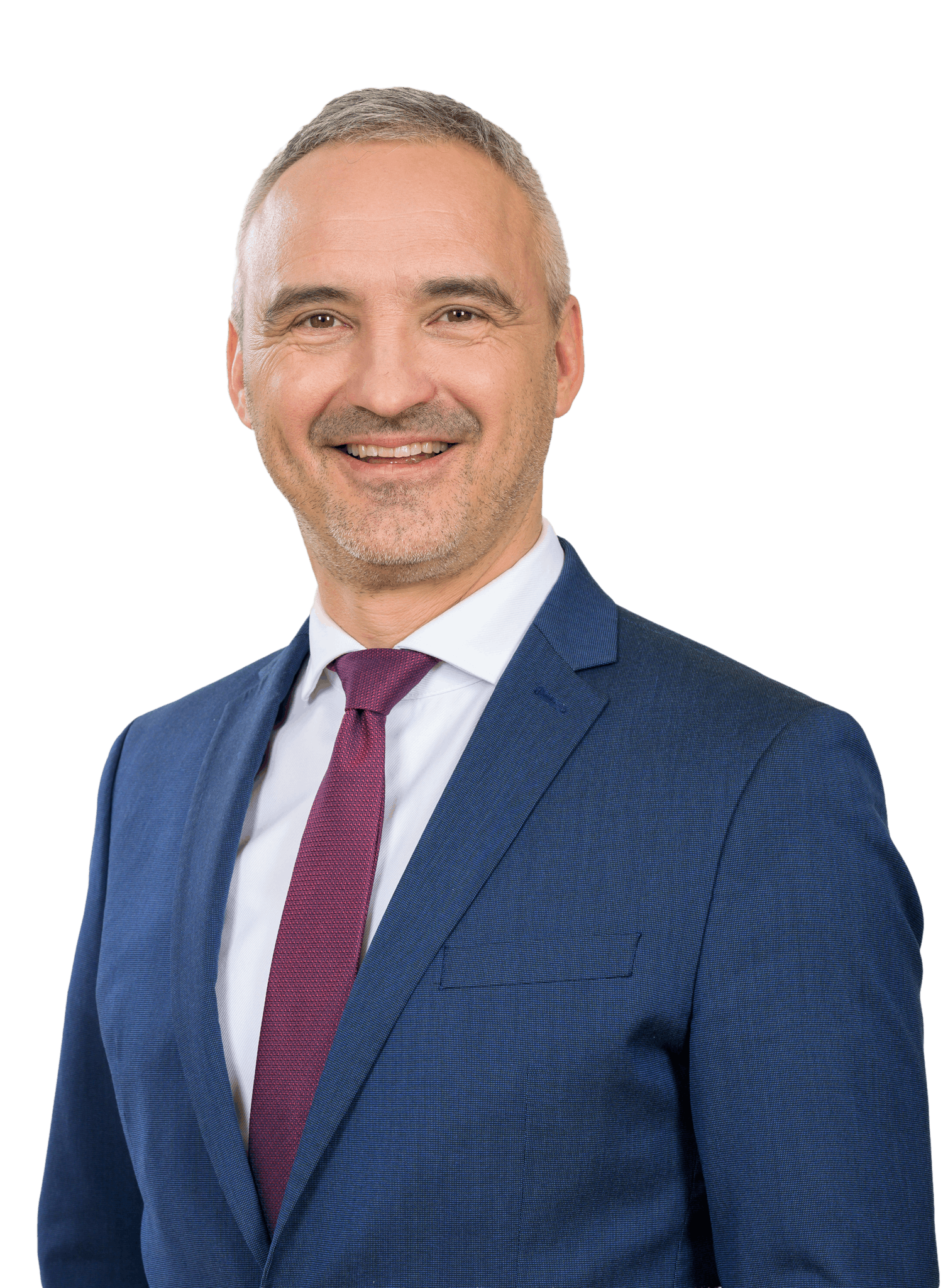
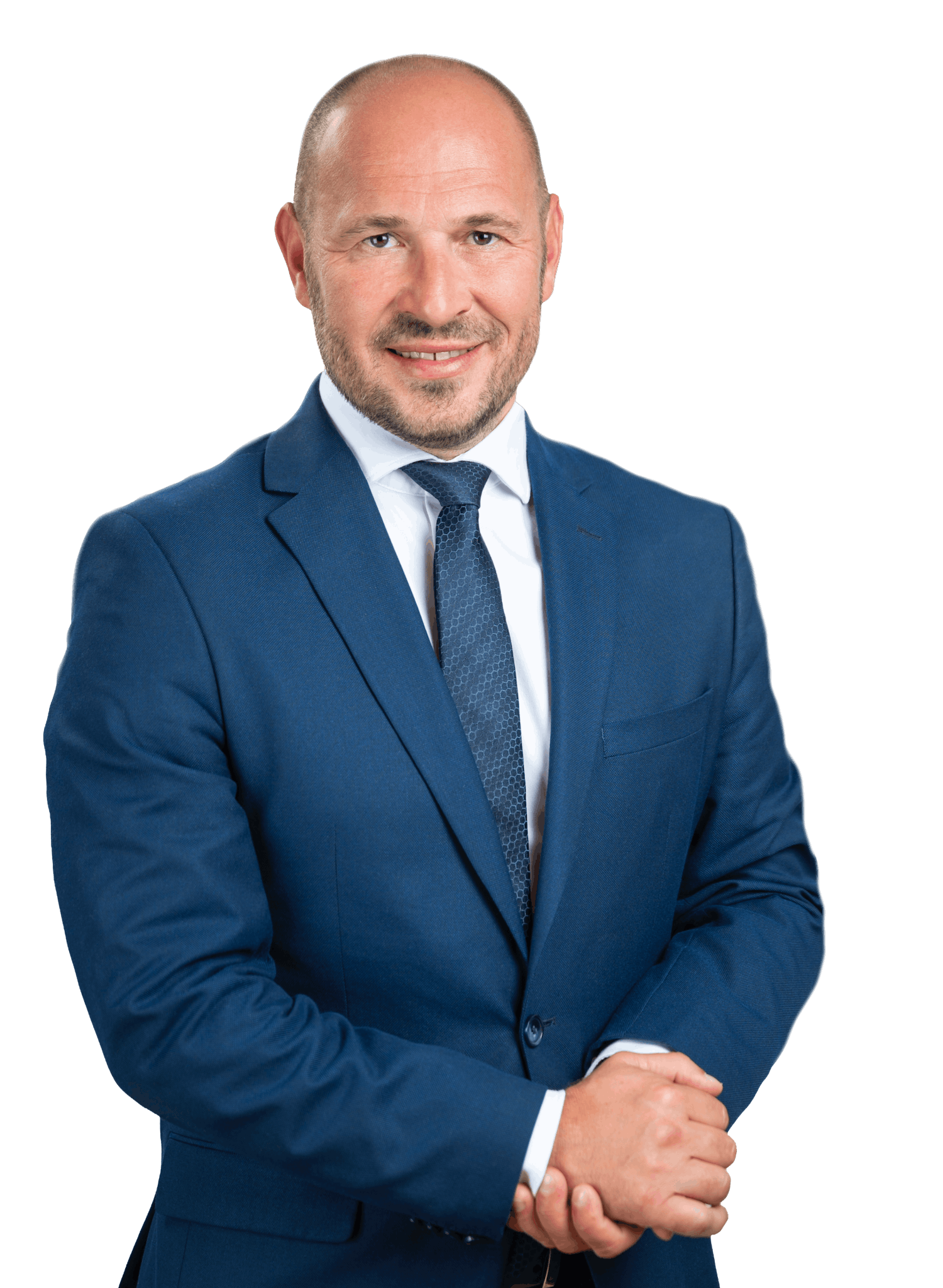
Janez Cigler Kralj
Janez Cigler Kralj
NSi

Janez Cigler Kralj

Minister of Agriculture

Janez Cigler Kralj, born in 1978, is a political scientist and a long-time NSi member. He has worked in political communications, public relations and public administration. In 2020, he became Minister of Labour, Family, Social Affairs and Equal Opportunities, and since 2022 he has served as an MP and head of the NSi parliamentary group.

Key Priorities
  • Reducing bureaucracy and strengthening dialogue with everyone involved in the farming sector.
  • Supporting young farmers and family farms.
  • Increasing food self-sufficiency and protecting domestic food production as a strategic national asset.
  • Adapting European agricultural policy more effectively to Slovenia’s small and fragmented farms.
  • Introducing a single digital portal for farmers’ administrative procedures.
  • Addressing rural depopulation through better incentives, transport links and digital connectivity.
  • Supporting organic farming and improving the balance between farming, wildlife management and nature protection.
Valentin Hajdinjak
Valentin Hajdinjak
NSi

Valentin Hajdinjak

Minister of Defence

Valentin Hajdinjak was born in 1973 in Ljubljana. He studied economics and later earned a master’s degree in management. Over the course of his career, he spent around twelve years in state administration, including work in government offices and at several ministries, among them the Ministry of Defence. He also gained direct insight into the work of the Slovenian Armed Forces on international missions. After moving to the private sector, he held senior leadership positions in telecommunications and infrastructure management, including as Chairman of the Management Board of DARS.

Key Priorities
  • Modernising Slovenia’s defence system and strengthening the country’s credibility within NATO and the EU.
  • Addressing personnel shortages and improving the structure of the armed forces.
  • Reviewing existing defence projects to ensure legality, transparency and efficiency.
  • Continuing key capability projects, including air defence, artillery and force development.
  • Introducing modern technologies, including unmanned systems and artificial intelligence.
  • Reorganising defence intelligence structures to better match operational needs.
  • Giving equal importance to defence and to protection and rescue services.
  • Strengthening civil protection, disaster response capacity, and support for volunteer rescuers and firefighters.
Mateja Ribič
Mateja Ribič
NSi

Mateja Ribič

Minister of Demography, Family and Social Affairs

Mateja Ribič, born in 1977, is a lawyer with 25 years of experience in the public sector, including 15 years in senior leadership roles. Her background includes work in public administration, healthcare, the judiciary and social care, as well as service as State Secretary at the responsible ministry and director of a senior citizens’ home. She brings extensive experience in social policy, long-term care and public sector management.

Key Priorities
  • Correcting injustices in long-term care and ensuring equal treatment for people receiving the same services.
  • Establishing a functional information system to speed up decisions and improve the implementation of long-term care.
  • Building a fair social state that protects those who cannot work, while strengthening incentives for employment and preventing abuse of social transfers.
  • Advancing family policy, including the gradual introduction of free childcare.
  • Addressing the demographic crisis through housing policy for young people, tax relief and a more family-friendly social environment.
  • Improving inclusion, accessibility and employment opportunities for persons with disabilities.
  • Ensuring dignity for older people, stronger support for families and a social system built on fairness, responsibility and solidarity.
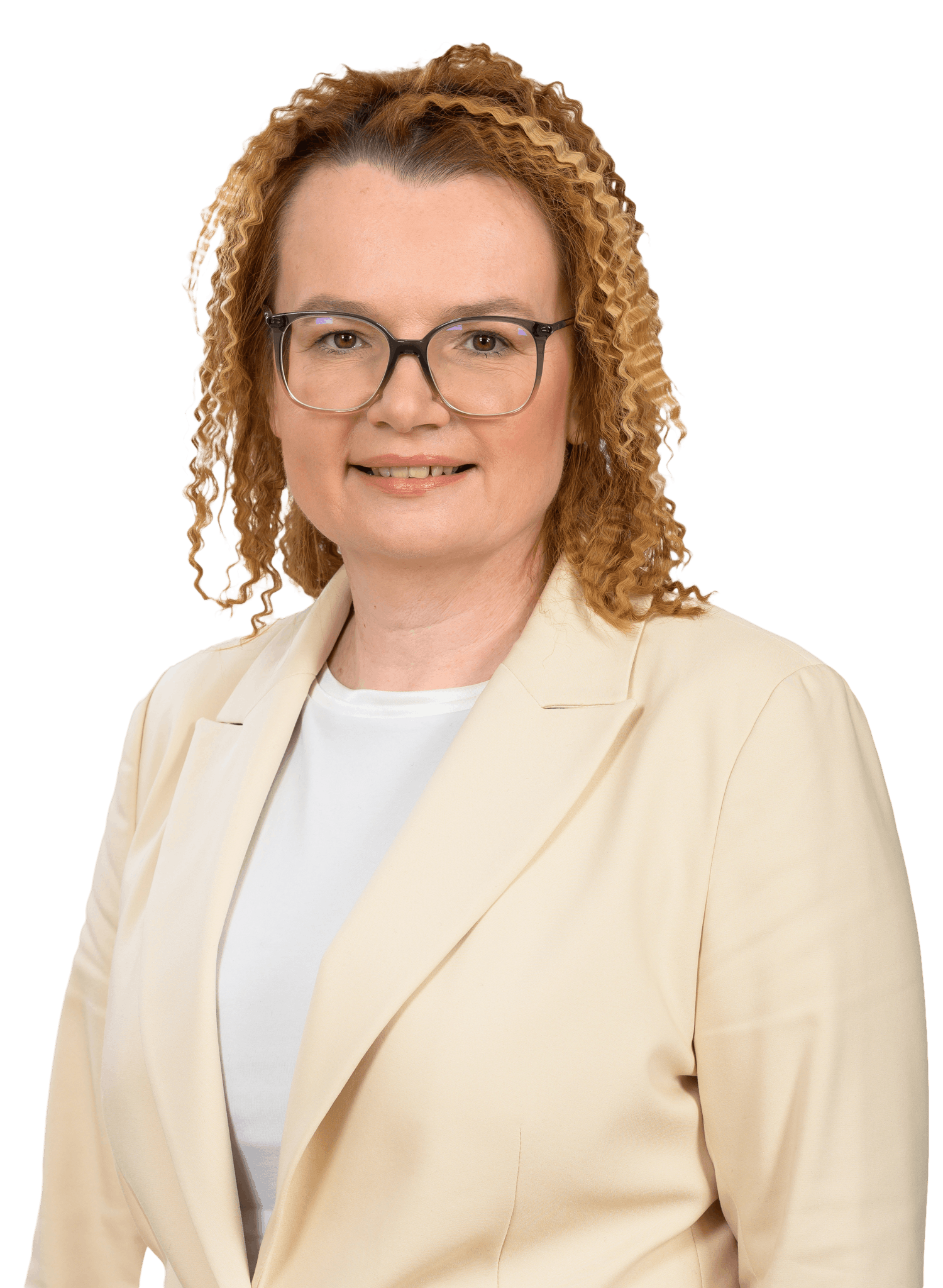
Monika Kirbiš Rojs
Monika Kirbiš Rojs
FOKUS

Monika Kirbiš Rojs

Minister for Cohesion, Regional Development and Local Self-Government

Monika Kirbiš Rojs is an economist with degrees from Maribor and Ljubljana and a doctorate completed in 2024. She has extensive experience in strategic development planning, EU funding and project management. Her career includes senior roles in public administration, regional development and cohesion policy, and she helped lead the preparation of Slovenia’s Recovery and Resilience Plan as well as cohesion programming for the 2021–2027 period.

Key Priorities
  • Improving the absorption of EU funds and preventing the loss of available resources.
  • Completing the 2021–2027 programming period successfully while preparing early for 2028–2034.
  • Reducing bureaucracy in EU-funded project procedures.
  • Introducing a unified digital application system for EU projects.
  • Supporting smaller municipalities and stakeholders through shared advisory and project offices.
  • Strengthening local self-government, regional development and decentralisation.
  • Advancing structural reforms, including the long-term establishment of regions.